Derek Jarman's 'Edward II' Set Footage Resurfaces in New Venice Documentary
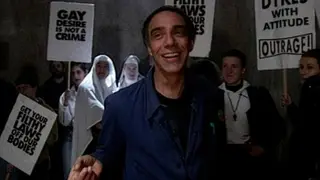
Theo Rollason's debut feature compiles over 30 hours of unseen behind-the-scenes footage shot by cinematographer Seamus McGarvey on the set of Derek Jarman's 1991 film 'Edward II'. The documentary captures Jarman's creative process and his response to the political climate facing queer Britons at the time, including a tabloid scandal involving a pop star. Tilda Swinton and Sandy Powell serve as executive producers on the project, which premieres at the Venice Film Festival.
The documentary draws from footage captured by Seamus McGarvey, a cinematographer later celebrated for mainstream prestige pictures, during the 1991 production of Jarman's queer tragedy. Rollason, a queer filmmaker born after Jarman's death, discovered the material contained far more than expected—rehearsals, intimate conversations, and production office conflicts that together form a comprehensive record of Jarman's working methods. The film also documents specific historical flashpoints, including the controversy over Ian McKellen's knighthood and a tabloid scandal involving a pop star rehearsing on the same lot, which threatened to halt production.
The project arrives with notable pedigree: Tilda Swinton and Sandy Powell, both central figures in Jarman's original film, serve as executive producers. The documentary premieres September 4 in the Venice Open section, with sales handled by 20After Hours and Cinephil. Rollason frames the work as a corrective to depoliticized queer history, emphasizing the confrontational activism—including Jarman's public HIV disclosure and ties to OutRage!—that underpinned the era's artistic output.
This documentary could recontextualize how contemporary audiences understand queer cinema's political roots, particularly younger viewers who may know Jarman's work without grasping the hostile climate in which it was made. By foregrounding collective resistance and the entanglement of art with activism, it may inspire renewed engagement with queer organizing amid current legislative battles. The film's festival platform could also spark conversations about archival preservation and the value of behind-the-scenes material as historical evidence, potentially influencing how production archives are treated by studios and filmmakers going forward.