Himalayan flood disaster shows perils of trying to control nature
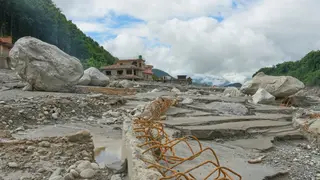
A massive ice-and-rock avalanche on the Tibet-Nepal border triggered catastrophic flash floods that devastated downstream areas in Nepal. The author argues that human engineering of river systems and mountain landscapes amplified the disaster's impact. The event serves as a stark reminder that attempts to dominate natural systems can backfire.
The disaster began when an ice-and-rock avalanche struck a glacier along the Tibet-Nepal border, sending debris into the Chinese-controlled Tibetan basin and triggering flash floods that tore through transboundary rivers. While Nepal bore no responsibility for the event, it suffered the greatest destruction, with infrastructure damage and loss of life downstream.
The author contends that human engineering—concrete embankments, retaining walls, and other river modifications—replaced natural floodplains and meandering channels that normally absorb hydraulic energy. The Himalayas remain geologically unstable due to ongoing tectonic collision, making such interventions particularly hazardous in a region already prone to landslides and cryospheric collapse.
This disaster could reshape how governments approach infrastructure projects in fragile mountain regions, potentially influencing international development policies and cross-border water management agreements. Communities downstream in Nepal may face heightened vulnerability awareness, while policymakers could face pressure to reassess engineering projects that disregard natural systems. The event may also intensify debates about climate adaptation versus ecological preservation, affecting how donor nations fund development in geologically sensitive areas.