Endangered raccoons on Cozumel craft play balls from trash, passing skill to peers
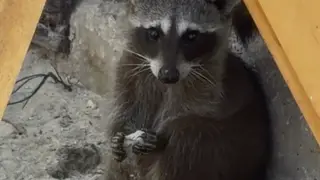
Researchers observed critically endangered pygmy raccoons on Cozumel Island making toy balls from paper, water, and sand, then using them in play with other raccoons and dwarf coatis. The behavior appears to be socially transmitted, as siblings taught each other the crafting steps, though one adult struggled after consuming a margarita. This rare instance of animals creating objects purely for play may offer insights into conservation strategies for the species, which numbers fewer than 200 individuals.
The behavior was documented at beach clubs where the raccoons scavenge human refuse. Young raccoons retrieved paper from bins, soaked it in water bowls, and rolled the damp material in sand to form sturdy play balls. These toys were then used in group games resembling football with both raccoons and dwarf coatis, a related species sharing the habitat.
Social transmission appears central to the behavior's spread. Siblings demonstrated the multi-step crafting process to one another, though an adult female failed to replicate it after consuming a discarded margarita, suggesting intoxication impaired her coordination. With fewer than 200 pygmy raccoons existing solely on Cozumel, researchers hope understanding this cultural learning could inform conservation approaches, particularly discouraging scavenging habits while encouraging natural foraging behaviors.
This observation could reshape how conservationists approach endangered species management, suggesting that behavioral interventions might leverage social learning rather than relying solely on habitat protection. If cultural transmission proves influential, targeted education of key individuals—particularly younger animals—may help steer populations away from human-dependent behaviors like scavenging. Public fascination with playful, intelligent animals could also boost tourism-driven funding for Cozumel's conservation efforts, though increased attention carries risks of more feeding and habituation. The findings may prompt broader scientific interest in how cultural traits emerge and persist in small, isolated populations.