Why Pure Electric Vehicles Outshine Plug-In Hybrids for Most Drivers
The author argues that battery electric vehicles (BEVs) offer superior reliability, smoothness, and acceleration compared to plug-in hybrids, while charging infrastructure is now widespread enough for long trips. He shares his own 12-year experience with multiple BEVs and notes that his daughter also found a pure EV suitable for her outdoor lifestyle, despite initial concerns. The piece concludes that while plug-in hybrids are better than gas-only cars, they are a compromise compared to going fully electric.
The author's initial decision to go fully electric was influenced by the Chevy Volt's four-seat configuration and his desire to make a strong environmental statement. Over 12 years, he has owned multiple pure EVs and finds the extra two hours of daily charging on long trips manageable.
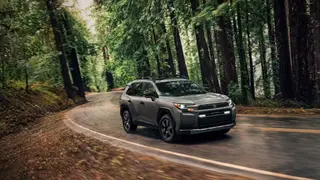
His daughter's switch to a plug-in hybrid was driven by practical outdoor needs. She experienced severe range loss when hauling bikes on a rear rack, adding four hours to an eight-hour trip, and moved to an area with sparse fast-charging. Her chosen hybrid provides 54 miles of electric range locally and over 500 miles combined for longer journeys.
This perspective could influence potential buyers weighing the trade-offs between pure electric and plug-in hybrid options. While the author argues pure EVs are superior for most, the daughter's experience highlights that specific needs—like hauling bikes over long distances in rural areas—may still justify hybrids. This could affect consumer adoption rates and automaker production strategies, as charging infrastructure continues to expand unevenly across regions.