China's calculated patience on Trump's Venezuela oil deal
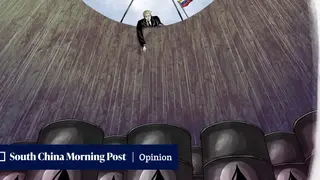
An analysis argues that Beijing's muted response to the US securing control over Venezuelan oil reflects confidence that the deal's fragility will become apparent. The deal, announced by President Trump, gives a private company long-term concessions with Pentagon and State Department stakes. China's energy dominance, the author contends, is built on capital and technology, not executive orders.
The deal grants a private firm century-long rights to 17 Venezuelan fields, with a 35% Pentagon stake and a 20% State Department offtake at cost. Washington also holds veto power over board appointments, which must be majority US citizens. A US official indicated the oil would be redirected from China to the US market.
Venezuela holds an estimated 303 billion barrels in reserves, yet currently produces just over 1 million barrels daily. Restoring output to 3 million barrels per day would require $183 billion in capital over 15 years, exceeding the private partner's $100 billion pledge. Projected royalties over 25 years range from $200 to $209 billion.
This arrangement could reshape global energy supply chains, potentially displacing Chinese buyers from a key market. The heavy reliance on US government stakes and veto powers may deter other international investors, while the massive capital requirements could delay actual production increases. For China, the muted response suggests a belief that the deal's political structure may prove unsustainable, possibly allowing Beijing to leverage its financial and technological advantages later. Venezuela's economic recovery could be affected by the pace of investment.