China's Belt and Road shifts to green energy and private funding
Chinese investment in Belt and Road countries hit a record $49.8 billion in the first half of 2026, with more than 30 deals exceeding $1 billion. The initiative has shifted away from state-backed sovereign loans toward green technology and private capital. Private Chinese firms now account for nearly half of all engagement.
Beyond the headline investment figure, construction contracts reached $76.5 billion, with a notable $8 billion rail project in the UAE. State-backed sovereign lending has sharply declined, with policy banks extending only $10.5 billion in combined loans during 2020 and 2021.
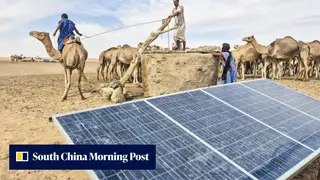
Private firms now favor joint ventures and manufacturing facilities over traditional infrastructure, while green energy engagement doubled to $20.1 billion, with renewables making up 56% of energy deals. Africa saw particularly strong solar and battery investments, though operational execution remains a significant challenge.
The pivot toward private capital and green technology could reshape host-country economies by replacing sovereign debt with localized manufacturing and joint ventures, potentially easing fiscal pressures while creating new employment. This shift may accelerate renewable energy adoption in developing regions, particularly Africa, improving energy access and climate resilience. However, reliance on private firms could introduce market-driven volatility, and operational hurdles may delay promised infrastructure benefits, leaving local communities waiting for tangible outcomes.