China's BRI capital accelerates green energy projects across Central Asia
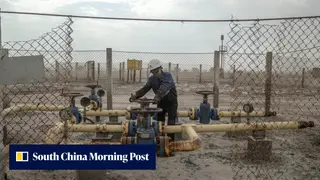
China's Belt and Road Initiative has invested heavily in wind, solar, and nuclear projects in Central Asia, with a 257% increase in investment this year. The region faces energy shortages and ecological challenges, prompting governments like Kazakhstan and Uzbekistan to set renewable targets. Chinese investment is helping meet these goals, with cumulative investments reaching $44.4 billion from 2003 to 2024.
The BRI's total investment reached $1.3 trillion this year, with a 257% surge in Central Asia. This influx addresses severe regional energy shortages and ecological pressures, pushing Kazakhstan and Uzbekistan to target 15% and 50% renewable electricity by 2030, respectively, up from roughly 2% today.
Notable ventures include the $140 million, 100MW Zhanatas wind farm in Kazakhstan, co-financed by international banks and majority-owned by China Power International. In Uzbekistan, Chinese firms are building a 100MW storage system, a 500MW wind plant in Bukhara, and a $1.2 billion wind farm in Karakalpakstan, alongside existing $240 million investments.
This shift could significantly improve energy reliability for Central Asian households and businesses, potentially easing winter blackouts and water shortages that undermine public trust. Local governments may gain a faster path to renewable targets, though increased reliance on Chinese financing could also introduce new dependencies. The influx of capital may accelerate infrastructure modernization, but the long-term ecological and economic balance remains contingent on project execution and regional stability.