Belt and Road Initiative evolves beyond trade into cultural and financial connectivity
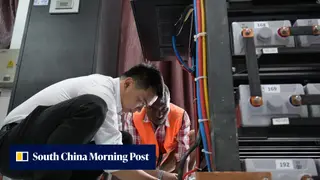
A reader reflects on the Belt and Road Initiative's 13th anniversary, noting the renminbi's growing global role and the initiative's broader impact on cultural exchange and people-to-people ties. The summit in Hong Kong highlights the framework's evolution beyond a mere trade platform.
The Hong Kong summit marks the framework's 13th year. The author observes that the renminbi has become a significant currency for global trade and financing, providing central banks and companies with alternatives for reserves and cross-border deals, thereby mitigating risks tied to dependence on one dominant currency.
In the post-pandemic period, Chinese enterprises are expanding abroad to secure new markets and industrial resilience. Meanwhile, Chinese short-form dramas and online content are gaining international audiences, bridging cultural gaps. Personal accounts, such as a British student practicing Chinese characters and an American expatriate choosing to settle in Shenzhen, highlight these deepening people-to-people connections.
The initiative's broadening scope could influence global economic stability by offering alternative financial instruments, potentially benefiting emerging markets seeking to reduce currency risk. Culturally, increased exposure to Chinese media and lifestyle narratives may gradually reshape international perceptions, affecting tourism, education, and migration decisions. For businesses, deeper connectivity might ease supply-chain disruptions, though the extent of these impacts depends on sustained engagement and local receptivity.