Japan's military expansion faces domestic obstacles amid Taiwan risk
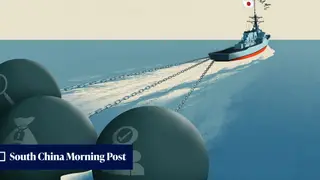
Japan is pursuing its most ambitious military transformation since World War II, driven by the possibility of a Taiwan conflict, but analysts say the effort is constrained by a shrinking pool of recruits, an aging population, fiscal pressures, and limited public support. Tokyo is acquiring long-range missiles and expanding defence partnerships, yet these internal challenges may slow the pace of change.
Tokyo is slated to revise its core security strategy before the end of the year. A notable step in this shift was a late-July test launch of a Tomahawk missile from the destroyer Chokai, underscoring the move toward long-range strike options.
The transformation extends beyond hardware, with defence pacts reaching Australia and Britain. Yet, Japan's domestic manufacturing base is under strain, struggling to expand output to match these new strategic ambitions.
The internal hurdles could influence Japan's military trajectory and its regional role. Fiscal limits may force difficult budget choices, potentially affecting social programs. A dwindling recruitment pool might push the military toward greater automation or alternative staffing models. Public uncertainty about using force could temper Tokyo's responses in a crisis, possibly slowing the build-up and prompting allies to reassess Japan's readiness.