Denisovan Arm Bone Unearthed in Chinese Cave Reveals 100,000-Year Presence
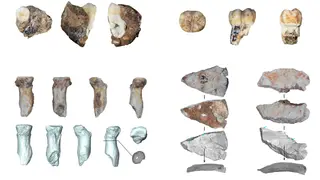
Researchers have discovered the first Denisovan arm bone in a cave in southwest China, alongside thousands of animal bones and stone tools. The findings indicate that this enigmatic human lineage occupied the site for roughly 100,000 years. This rare fossil provides new insights into Denisovan behavior and their long-term habitation of the region.
The recovered arm bone, a rare specimen, was found in a cave in southwest China. It was accompanied by thousands of animal remains and crafted stone implements. Together, these artifacts suggest the Denisovans inhabited this specific location for around 100,000 years. This discovery provides valuable clues about their routine activities and how they maintained a long-term foothold in the area.
This discovery could significantly refine scientific models of human migration and interbreeding, as it suggests Denisovans were more widespread and adaptable than previously thought. It may influence how archaeologists interpret similar cave sites across Asia, and could reshape educational narratives about human evolution. For the broader public, it offers a tangible connection to a mysterious branch of our family tree, though its direct societal impact remains primarily academic.