Severe Immune Side Effects of Cancer Immunotherapy Frequently Require Advanced Therapies
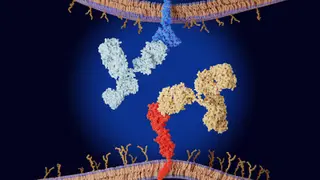
Analysis of 60 patients from a German registry of immune-related adverse events (IRAEs) linked to checkpoint inhibitors found that these reactions were more severe than previously reported, with nearly 25% requiring hospitalization and 38% permanently discontinuing cancer immunotherapy. Corticosteroids alone were insufficient in about 60% of cases, leading 32 patients to receive disease-modifying antirheumatic drugs, including biologics. The authors emphasized the need for strategies to manage rheumatic toxicity while preserving the benefits of checkpoint inhibitor therapy.
The registry cohort was predominantly male, with a median age of 66. Melanoma represented the most frequent underlying cancer, followed by non-small cell lung and urothelial cancers. The checkpoint inhibitors most often implicated were pembrolizumab, nivolumab, and a combination of nivolumab with ipilimumab.
Rheumatic symptoms appeared after a median of roughly seven months, though onset varied widely. The most common presentation was polyarthritis resembling rheumatoid arthritis, followed by polymyalgia rheumatica-like symptoms and peripheral spondyloarthritis. Other observed conditions included vasculitis and axial spondyloarthritis.
This study could significantly impact oncologists and rheumatologists managing cancer patients. As checkpoint inhibitors become more widespread, the high rate of severe side effects may force difficult choices between continuing life-saving cancer therapy and controlling autoimmune damage. The findings could prompt earlier referral to rheumatologists and broader use of advanced immunosuppressants, potentially reshaping treatment protocols to balance cancer efficacy with manageable toxicity.