Red States Lead Solar Expansion Despite Federal Headwinds
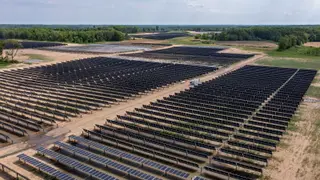
A new industry report shows that eight of the top ten states for solar construction in early 2026 backed Donald Trump in the last election, with Texas and Florida ranking first and third. These states are attracting solar due to pro-business policies, abundant land, and surging electricity demand from manufacturing and data centers, even as the Trump administration restricts federal land solar and Congress trims tax credits. Overall, U.S. solar additions jumped 45% year-over-year in Q2 2026, with Trump-supporting states accounting for nearly three-quarters of that growth.
The Solar Energy Industries Association report highlights Indiana, Ohio, Arizona, Missouri, Arkansas, and Utah among the leading states. Their pro-business environments, ample land, and streamlined permitting processes attract energy-intensive industries like manufacturing and data centers, driving demand for rapid solar deployment.
The expiration of federal tax credits on July 4, 2026, following the One Big Beautiful Bill Act, prompted developers to accelerate project starts, contributing to the Q2 surge. However, rooftop solar installations have already started to decline this year. Michigan notably climbed from 23rd place in 2024 to fourth in early 2026.
The red-state solar boom could lower energy costs for local manufacturing and data centers, potentially benefiting consumers through cheaper electricity. However, the expiration of tax credits may slow future growth, possibly leading to job losses in the solar sector and making rooftop adoption less affordable for homeowners. This divergence between state-level enthusiasm and federal policy could create uneven energy transitions across the country.