Blocking IL1RAP disrupts pancreatic tumor defenses in preclinical study
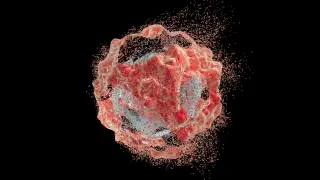
Researchers at Sylvester Comprehensive Cancer Center found that blocking the IL1RAP receptor disrupts the inflammatory network that helps pancreatic cancer resist treatment. In preclinical experiments, this approach reduced tumor-protecting cells and fibrosis while enhancing T cell activity. The team plans a neoadjuvant clinical trial combining IL1RAP-targeted therapy with chemoimmunotherapy.
The study, published in JCI Insight, centers on IL1RAP as a shared receptor that multiple inflammatory signals rely on to transmit messages. Blocking it reduced immune-suppressive cells, increased T cell activity, and decreased fibrosis in preclinical models. The tumor microenvironment—the community of cells and structural tissue surrounding a tumor—is a major reason pancreatic cancer resists therapy. This approach targets that environment rather than attacking cancer cells directly.
The planned neoadjuvant trial will test IL1RAP-targeted therapy combined with chemoimmunotherapy in operable pancreatic cancer patients before surgery. Existing KRAS-targeted therapies for metastatic disease may take years to reach operable patients, so this addresses an urgent need for additional strategies in surgically removable tumors.
This research could eventually improve outcomes for pancreatic cancer patients, a group with historically poor survival rates. If the approach translates to humans, it may make existing chemotherapy and immunotherapy more effective by weakening tumor defenses. Patients with operable tumors could gain a new treatment window before surgery. However, preclinical results do not guarantee clinical success, and the trial's outcomes will determine whether this strategy reaches broader practice. The impact, if confirmed, could be substantial given how few effective options exist for this disease.