Propaganda's Subtle Grip on American Political Discourse
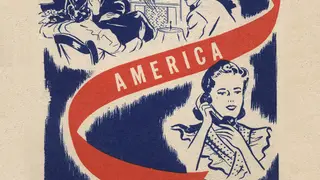
The article argues that Americans lack the language to describe their political discontent, partly due to pervasive propaganda. It draws on the author's experience in Cold War Berlin to illustrate how propaganda operates subtly. The piece is adapted from a book about understanding the Trump era.
The article's author, philosopher Susan Neiman, spent nearly seven years in West Berlin during the 1980s, where she sharpened her understanding of propaganda by comparing East and West German radio coverage of identical events. Her forthcoming book, "Call It Evil: Understanding the Trump Era," published by W.W. Norton in September 2026, applies these insights to contemporary American political life.
Neiman's central observation is that propaganda operates through omission and framing rather than obvious falsehoods. During the Cold War, each side's broadcasts humanized their own allies while reducing opponents to statistics. She suggests Americans, lacking exposure to contrasting perspectives, cannot recognize similar dynamics in their own media environment.
This analysis could resonate with Americans who feel politically alienated but struggle to articulate why. By framing propaganda as a matter of interpretive control rather than outright deception, the piece may encourage more critical media consumption across the political spectrum. It could also deepen public conversation about how information environments shape democratic participation, though its academic framing may limit its reach beyond already engaged readers.