Spain's Sahrawi citizenship bill raises diplomatic stakes with Morocco
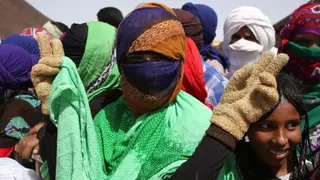
Spain's lower house of parliament has approved a bill that would create a special citizenship path for Sahrawis born under Spanish rule in Western Sahara before 1977. The measure, which still needs Senate approval, would also shorten residency requirements for eligible Sahrawis in Spain. Morocco views the law as a potential source of tension because it could grant EU citizenship to tens of thousands of people with ties to the disputed territory.
The bill passed with a clear majority but significant abstentions, reflecting its divisive nature. It now moves to the Senate. The 1977 cutoff date is notable, as Spain's administration ended in 1976, suggesting a deliberate window for those born under the final years of colonial rule. The provision also extends eligibility to first-degree descendants, broadening the potential applicant pool.
The measure's timing follows Spain's 2022 endorsement of Morocco's autonomy plan, which mended ties after a diplomatic rupture. While the bill does not alter Madrid's official stance on the territory's status, it creates a separate legal pathway for individuals with historical ties. Estimates suggest tens of thousands could qualify, including refugees in Algeria, potentially creating a large EU-citizen community with personal stakes in the dispute.
This law could deepen the divide between Madrid and Rabat, potentially straining cooperation on migration and security that was rebuilt after 2022. For Sahrawis, it may offer a tangible legal remedy for historical displacement, granting EU mobility and rights. However, it could also inflame nationalist sentiments in Morocco, complicating the autonomy proposal's acceptance. The impact will likely depend on how the Senate handles it and whether Rabat perceives it as a symbolic gesture or a substantive shift.