Southern Lebanon's displaced face permanent exile as conflict grinds on
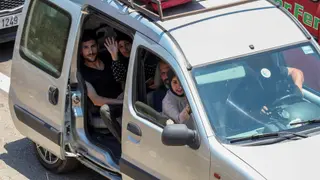
Six months after Israel's intensified offensive, about 330,000 Lebanese remain displaced, down from a peak of 1.2 million, but humanitarian workers say the situation is not resolved. Many have lost homes and livelihoods, and Israel occupies over 50 villages in the south, making permanent displacement a reality. The UNHCR notes displacement patterns remain fluid and reversible due to possible renewed attacks.
The displacement crisis peaked in April with 1.2 million people, but current IOM estimates place the figure near 330,000. UNHCR warns this reduction is not a stable resolution, as renewed attacks could quickly reverse the trend. Israel currently occupies over 50 villages in the south, and the June framework agreement has not halted attacks there, though bombardment elsewhere has eased, allowing more than 810,000 to return, often to damaged homes with destroyed infrastructure.
The conflict escalated after Hezbollah's March 2026 response to Israeli violations and the assassination of Iran's supreme leader, with over 4,380 people killed. Returnees like Soujoud Ramadan from Froun, a town on the "Yellow Line" military zone, have come back despite destruction, with many living in shelters like schools. UNHCR notes that returnees still lack complete stability, facing an ongoing cycle of uncertainty.
The prolonged crisis could entrench a permanent underclass of displaced people in Lebanon, straining host communities in Beirut and the Bekaa Valley. Returnees may face chronic instability, with destroyed infrastructure and ongoing military occupation hindering recovery. This situation could deepen social fractures, as livelihoods remain lost and security is uncertain, potentially reshaping the demographic and economic fabric of southern Lebanon for years to come.