BRICS summit closes in New Delhi with divisions over Iran and Ukraine
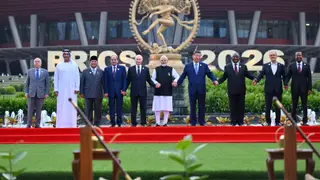
Leaders from BRICS nations convened in India's capital for the concluding session of their summit. Disagreements over the conflicts in Iran and Ukraine were reported to have created tensions among the members. The summit's outcomes remain to be seen.
The closing session of the BRICS summit in New Delhi brought together leaders from the bloc's member nations, marking the end of their formal deliberations. Reports from the gathering indicate that the ongoing conflicts involving Iran and Ukraine became points of friction, with divergent positions among the participants reportedly straining the atmosphere of the talks. The precise nature of these disagreements has not been detailed, and the summit's final declarations or agreements have yet to be released.
This meeting occurs against a backdrop of heightened global tension, where multilateral forums increasingly serve as arenas for both cooperation and confrontation. As a grouping of major emerging economies, BRICS holds significant weight in international affairs, and its ability to find common ground on contentious geopolitical issues is closely watched. The lack of immediate clarity on outcomes leaves observers awaiting further statements to gauge the bloc's unified stance, if any, on these pressing world conflicts.
This story could signal challenges for multilateral cooperation on global security issues. If BRICS members remain divided over conflicts in Iran and Ukraine, it may limit the bloc's ability to present a unified front in international peace efforts. This could affect diplomatic momentum in those regions, as well as the perceived relevance of BRICS as a coordinating body. Nations looking to these leaders for guidance on conflict resolution may find fewer clear signals, potentially prolonging uncertainty in affected areas.