Isotope analysis reveals early millet adoption in Bronze Age Poland
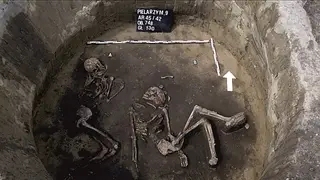
By analyzing human remains from southeastern Poland, researchers dated broomcorn millet consumption to 1590 BCE, pushing back the earliest evidence by more than a century. The study combined carbon and nitrogen isotopes with radiocarbon dating to trace how communities integrated this climate-resilient crop. Adoption was gradual, occurring within individual lifetimes rather than through sudden population shifts.
Researchers studying skeletal remains from southeastern Poland applied carbon and nitrogen isotope analysis alongside radiocarbon dating to trace dietary patterns. The results place broomcorn millet consumption at 1590 BCE, extending the known timeline for this crop's presence in the region by over a century.
The isotopic evidence reveals that millet entered local diets gradually, with individuals adopting the grain during their own lifetimes. This pattern indicates cultural integration rather than population replacement. The crop's climate-resilient nature likely made it attractive to communities adapting to shifting environmental conditions, though the precise motivations remain under investigation.
This finding could prompt archaeologists to revisit assumptions about crop dispersal routes across prehistoric Europe. Researchers studying Bronze Age subsistence strategies may need to adjust chronological frameworks for agricultural exchange networks. For contemporary society, the study offers a long-term perspective on human adaptation to environmental variability—a theme that may resonate with current discussions about food security and climate resilience, though direct parallels should be drawn cautiously.