Disrupt session explores AI's role in de-extinction and conservation
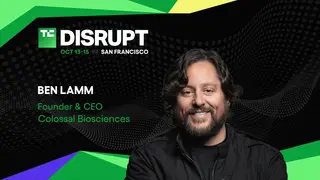
At TechCrunch Disrupt 2026, Colossal Biosciences CEO Ben Lamm will discuss how AI and synthetic biology could revive extinct species. The session will examine whether de-extinction technology is a genuine conservation tool or a diversion from protecting existing ecosystems. It also explores AI's growing influence in biological research.
The session forms part of the Real World AI Stage at Disrupt 2026, scheduled for October 13–15 at Moscone West in San Francisco, with an expected attendance of over 10,000 founders, investors, and operators across 250-plus sessions. Colossal Biosciences operates at the billion-dollar valuation level, applying computational tools to genetic analysis and biological modeling. Lamm's prior ventures—Hypergiant, Conversable, and Chaotic Moon—were acquired by Trive Capital, LivePerson, and Accenture respectively, giving him two decades of experience at the intersection of AI and emerging technology before pivoting to synthetic biology and conservation-focused research.
This discussion could shape how investors and founders evaluate the emerging field of computational conservation, potentially directing capital toward de-extinction ventures or away from them depending on the arguments presented. The broader societal impact may hinge on whether AI-driven biological engineering gains public acceptance as a legitimate conservation approach, or whether it remains viewed as a costly diversion from protecting existing habitats. Researchers, policymakers, and environmental advocates could all be influenced by the framing that emerges from this high-profile conversation.