Survey Finds Persistent Shortages of Generic Cancer Drugs
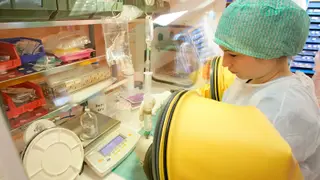
All responding NCCN cancer centers reported shortages of common generic chemotherapy drugs, with ifosfamide critically short at most centers. Carboplatin and cisplatin were also in short supply, and no improvement has been seen since 2023. The FDA recently relaxed import restrictions to help alleviate the shortage.
The annual NCCN survey, completed by pharmacy directors and clinical leaders at member institutions, found seven of 31 centers facing shortages of five or more drugs. Ifosfamide, essential for treating bladder, ovarian, testicular, uterine cancers, sarcomas, and multiple leukemias and lymphomas, was critically low at nearly every responding center. Carboplatin shortages affected 71% of centers, while cisplatin was scarce at 16%. Bacillus Calmette-Guérin, a standard bladder cancer therapy, ran low at more than half of sites. Notably, methotrexate, vincristine, topotecan, and several other agents remained adequately stocked.
Moffitt Cancer Center in Tampa offered a contrasting model, using historical vulnerability data, demand forecasting, and strategic supplier partnerships to maintain reserves above routine needs. Its pharmacy director reported only one active critical shortage. The FDA's temporary relaxation of import restrictions from India targets ifosfamide specifically, though NCCN's chief medical officer observed that the same drugs have dominated shortage lists since the initial 2023 survey, with only 4% of directors reporting any improvement.
Persistent shortages of foundational chemotherapy agents could force treatment delays, protocol substitutions, or rationing decisions at cancer centers nationwide. Patients with bladder, ovarian, testicular, and pediatric cancers may face altered regimens or postponed care, potentially affecting outcomes. Smaller community hospitals without Moffitt-style procurement strategies may be disproportionately affected, widening disparities in cancer care access. While FDA import flexibility offers temporary relief, the lack of improvement since 2023 suggests systemic manufacturing and market dynamics remain unresolved, leaving patients and clinicians in a precarious position.