Fluxnium's fiber technology aims to extract uranium from seawater
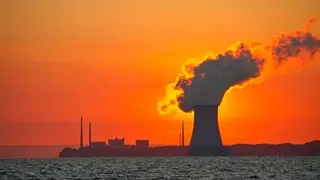
Fluxnium has developed polymer fibers that can pull uranium directly from seawater, which holds an estimated 4 billion metric tons of the element. The startup recently raised $7 million in seed funding led by Congruent Ventures, with participation from Constellation Energy. Its approach could offer a domestic and geopolitically stable source of nuclear fuel, potentially rivaling traditional mining costs.
Fluxnium's extraction method relies on polymer fibers with dramatically increased surface area, a refinement that has cut production costs from over $200 per pound at the national lab demonstration stage to levels approaching competitiveness with conventional mining. The braided fibers are deployed on buoy systems resembling seaweed farms, left submerged for one to two months, then retrieved for uranium elution and purification into yellowcake. Each line withstands multiple reuse cycles, and the process leaves no toxic tailings.
The startup's backing reflects strategic positioning within the nuclear supply chain. Constellation Energy's participation signals interest from major reactor operators seeking fuel security, while Congruent Ventures focuses on climate technology. Founder Jeff Green's track record spans Stamps.com, desalination firm NanoH2O, and carbon removal venture 1PointFive, suggesting pattern recognition in emerging energy markets. With Western dependence on politically concentrated uranium sources, seawater extraction could reshape fuel procurement dynamics.
This technology could meaningfully alter nuclear fuel economics and energy security if scaled successfully. Domestic uranium extraction from seawater may reduce exposure to geopolitical supply disruptions, potentially stabilizing reactor fuel costs for utilities and their customers. The approach could also support nuclear expansion driven by AI data center electricity demand, though commercial viability remains unproven at industrial scale. Environmental benefits may include eliminating mining waste, but ocean deployment raises questions about marine ecosystem interactions that warrant continued study.