Tanzanian fossil discovery revises early dinosaur chronology
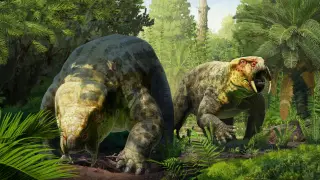
A newly identified dicynodont species from Tanzania, Dinodontosaurus isiyavamanda, links the region to South American fossil deposits. This suggests some Tanzanian fossils previously considered early dinosaurs may be younger than thought. The finding helps refine the timeline of dinosaur evolution.
The fossil material includes an associated skeleton and a fragmentary skull, both housed in London's Natural History Museum collections since a 1963 British expedition. Dicynodonts were plant-eating synapsids—mammal-lineage vertebrates—that thrived before dinosaurs dominated terrestrial ecosystems. The species name honors the Wamanda people of Tanzania.
The discovery provides a new biostratigraphic correlation tool. Since Dinodontosaurus was previously confirmed only in South America, its presence in Tanzania links the two regions' rock sequences. Recent radiometric dating of South American deposits indicates these dinosaur-bearing layers may be up to 10 million years younger than comparable South African rocks, challenging prior assumptions about Tanzania's fossil ages.
This finding could reshape how paleontologists interpret early dinosaur evolution, potentially shifting estimated dates for the oldest known dinosaur fossils. Museums and educators may need to update exhibits and curricula reflecting the revised timeline. The research also highlights the value of reexamining long-curated collections, which could influence future funding priorities for specimen study. Public understanding of evolutionary history may become more nuanced as regional correlations across Africa and South America grow clearer, though broader societal impact remains largely confined to scientific and educational communities.