Mesothelioma drug flips cancer's survival mechanism into a weakness
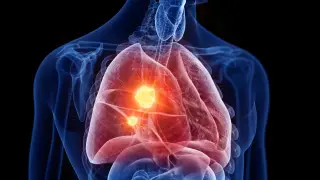
Researchers report that an experimental drug targeting the antioxidant protein PRX3 slowed disease progression in 67% of mesothelioma patients in an early trial. The drug works by disabling a defense that tumors rely on to withstand oxidative stress. Patients in the trial also showed improved survival compared with standard treatments.
The trial enrolled patients whose mesothelioma had relapsed after prior treatment, a group with especially poor prognoses. The experimental compound, thiostrepton, was originally developed as an antibiotic but repurposed to inhibit PRX3 inside mitochondria. By disabling this enzyme, the drug allows hydrogen peroxide to accumulate to toxic levels within tumor cells, effectively overwhelming their oxidative stress defenses. This strategy inverts earlier antioxidant-based approaches, which attempted to reduce reactive oxygen species and largely failed in clinical testing.
Mesothelioma's long latency period means cases typically surface decades after asbestos exposure, often in men from shipbuilding, oil refining, and asbestos manufacturing industries. With roughly 30,000 annual diagnoses worldwide and a median survival near 12 months, the disease has historically resisted treatment. The findings, published in Nature Communications and sponsored by RS Oncology, emerged from University of Vermont research led by Brian Cunniff and Victoria Gibson.
If confirmed in larger trials, this approach could offer a meaningful option for mesothelioma patients who currently face very limited choices after standard treatments fail. The strategy may also extend to other cancers that rely on similar antioxidant defenses, potentially broadening its impact. However, phase one results require validation, and long-term safety and durability of response remain unknown. The study nonetheless illustrates how deeper understanding of tumor metabolism can yield counterintuitive therapeutic strategies that exploit cancer's own survival mechanisms.