Midterm Races in Key States Could Decide Future Clean Energy Laws
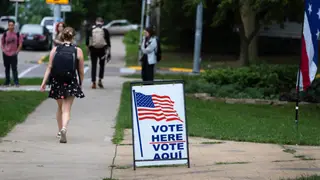
Democrats may gain full control of state governments in at least three states during the 2026 midterms, which could lead to new climate and energy legislation. Recent history shows that Democratic trifectas in states like Illinois, Minnesota, and New York resulted in laws to cut emissions and boost renewables. With Republicans currently holding more state trifectas, the upcoming elections could shift the balance of power and accelerate clean energy policy.
The article identifies Michigan, Minnesota, and Wisconsin as the most probable states to shift toward unified Democratic control, with competitive gubernatorial races in each. Michigan's term-limited governor creates an open seat, while Minnesota's House is currently deadlocked at 67-67, making the outcome particularly consequential.
Beyond these three, the piece notes that a small number of legislative contests—fewer than 25 statewide—could determine whether Democrats gain five new trifectas or none. This concentration of influence means individual races carry outsized weight for energy policy direction, given the historical pattern of Democratic trifectas enacting emissions reduction and renewable energy laws.
The outcome of these state races could substantially influence the pace of clean energy adoption across the country. Residents in states that shift to Democratic control may see new emissions targets and renewable portfolio standards, while those in Republican-controlled states could experience different regulatory approaches. Businesses in the energy sector may face varying compliance requirements depending on their state's leadership, potentially affecting investment decisions and job markets. The concentration of decisive races means a relatively small number of voters could shape national climate policy direction for years.