Fallopian Tube Removal Shows Promise in Cutting Ovarian Cancer Risk, Yet Access Lags
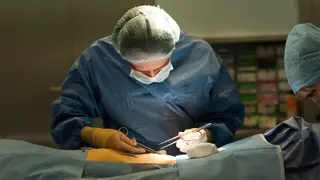
Recent evidence suggests many ovarian cancers originate in the fallopian tubes, and removing them during other abdominal surgeries could slash risk by up to 80%. However, the procedure, known as opportunistic salpingectomy, is not yet widely offered by general surgeons, despite recommendations from major medical groups. A study found that nearly a quarter of patients who later developed high-grade serous ovarian cancer had prior abdominal operations where the tubes could have been removed.
The procedure's appeal rests on its dual efficiency: it adds only 5 to 13 minutes to common abdominal operations while potentially eliminating the need for a separate future surgery. General surgeons routinely perform gallbladder, appendix, hernia, and bowel procedures, yet the 2025 study indicates that roughly one in four patients who later developed high-grade serous ovarian cancer had previously undergone such an operation where tube removal could have been incorporated.
Implementation faces structural hurdles beyond surgical training. Federal Medicaid rules require a 30-day waiting period between consent and sterilization procedures, protections rooted in a history of coercive sterilization. Meanwhile, a new diagnosis code for prophylactic salpingectomy exists, but insurers have not consistently established coverage policies, leaving the preventive option financially uncertain for many patients.
This shift could meaningfully reduce ovarian cancer incidence if adopted broadly, particularly among patients already undergoing abdominal surgery who have completed childbearing. The impact may be uneven, however, as access depends on surgeon awareness, institutional protocols, and insurance coverage. Patients in rural or underserved areas could face greater difficulty finding surgeons offering the procedure, potentially widening existing disparities in preventive care.