Brazil Struggles to Keep BRICS Reformist as Bloc Expands
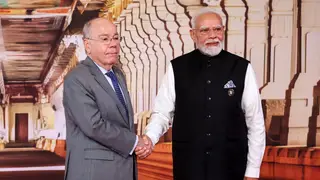
At the New Delhi BRICS summit, Brazil sent its foreign minister rather than its president, reflecting its waning influence since the bloc expanded to nine members. Brazil opposed the addition of Iran and other anti-Western states, preferring a reformist agenda over revolutionary change. The summit highlighted deepening economic cooperation despite stalled UN Security Council reform.
Brazil's decision to send Foreign Minister Mauro Vieira rather than President Lula to the New Delhi summit reflects both domestic electoral pressures and the country's reduced leverage within the nine-member bloc. The 2024 expansion, which Brazil actively opposed, brought in Iran and other states with more confrontational stances toward Western institutions. Brazil has consistently advocated for a rules-based multipolar order rather than great-power competition, a position Vieira reiterated ahead of the meeting.
The summit's joint declaration endorsed the UN system and Paris climate agreement, positions Brazil championed, though Russia's ongoing violations of the UN Charter complicate the bloc's reformist image. With Brazilian elections approaching October 4, the country's ability to steer BRICS toward institutional reform may hinge on whether Lula secures another term or challenger Flávio Bolsonaro prevails, as polls suggest a close race.
The outcome of Brazil's October election could determine whether BRICS maintains its reformist character or drifts toward more revolutionary postures. If Bolsonaro wins, Brazil may align with anti-UN and climate-skeptic positions, potentially weakening the bloc's commitment to multilateral institutions. Conversely, continued Lula leadership could preserve Brazil's moderating influence. The summit's endorsement of UN principles, even amid Russia's violations, suggests the bloc still values institutional legitimacy—but that consensus may prove fragile as membership diversifies and global tensions mount.