Review: A New Book Traces How 9/11 Reshaped Muslim Americans' Place in the Nation
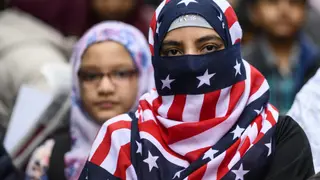
A review of Rozina Ali's 'Seasons of Fury' examines how four Muslim families experienced the shift from being largely overlooked to facing intense scrutiny after the 9/11 attacks. The book traces the rise of anti-Muslim sentiment, highlighting incidents like a Lebanese American soldier's religion being recorded as 'none' in the 1960s. It argues that a small group of politicians and activists capitalized on the tragedy to question Muslims' place in the United States.
The book opens with Abdeen Jabara, a lawyer whose parents emigrated from Greater Syria to the Midwest in the early 20th century. Another family profiled includes Ron Amen, a Lebanese American soldier from Dearborn, Michigan, whose 1965 dog tags listed his religion as "none" despite his stating "Islam" to recruitment officials. Ali documents how Muslims were historically overlooked in American life before the 9/11 attacks created an opening for politicians and activists to question their place in the nation. The book examines policies and practices shaping suspicion of Muslims across decades, focusing on four families who experienced Islamophobia differently while maintaining their claims to American identity.
This book may reshape public understanding of how anti-Muslim sentiment developed in the United States, moving beyond post-9/11 narratives to show deeper historical roots. Muslim Americans could find validation in these documented experiences, while policymakers and educators may gain perspective on how national tragedies can be exploited to marginalize communities. The work may also prompt broader conversations about citizenship, belonging, and religious identity in America.