Nvidia executives to debate open vs. proprietary AI for startups at Disrupt 2026
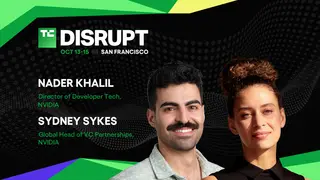
At TechCrunch Disrupt 2026, Nvidia's Nader Khalil and Sydney Sykes will discuss the trade-offs between open and proprietary AI models for startups. The session will cover cost, control, and competitive advantage, as open models like Nvidia's Nemotron advance alongside proprietary frontier models. The debate is framed as a business decision rather than a philosophical one.
Nvidia's position in this debate is shaped by its dual role as both an open-model developer and a dominant supplier of proprietary GPU infrastructure. The company's Nemotron models were cited in 145 papers at ICML 2026, signaling serious academic traction, while CEO Jensen Huang has publicly rejected an either-or framing, arguing the industry will run on both open and proprietary systems simultaneously. The session's speakers bring complementary vantage points: Khalil previously co-founded Brev.dev, an AI infrastructure startup Nvidia acquired in 2024, giving him direct founder experience, while Sykes works with venture partners and understands what makes startups investable. Their discussion will center on practical questions like cost trade-offs, data control, and whether owning more of the technology stack creates genuine defensibility or merely adds maintenance burden.
This debate could shape how thousands of early-stage startups allocate scarce engineering and capital resources over the next several years. Founders who choose poorly may face higher costs, weaker margins, or difficulty pivoting when model capabilities shift. The outcome also affects the broader AI ecosystem: if open models continue closing the capability gap, smaller companies gain leverage against dominant frontier labs, potentially fostering more competition and innovation. Conversely, heavy reliance on proprietary models could concentrate power among a few providers, influencing pricing and access for years to come.