Kremlin's Duma Vote Seen as Preordained Show of Support for War
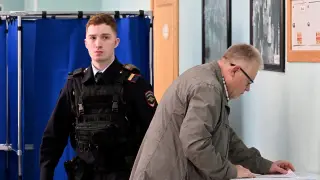
Russia is holding its first parliamentary elections since the full-scale invasion of Ukraine, with the ruling United Russia party polling near 40 percent. Analysts say the vote is largely symbolic, intended to demonstrate public backing for the military campaign. President Vladimir Putin has framed the election as a chance for citizens to show unity behind the armed forces.
The three-day vote marks the first Duma election since Russia's full-scale invasion of Ukraine in 2022. President Putin cast his ballot online Friday, with state media broadcasting the act. Independent opposition parties are barred, foreign observers were not invited, and the sole nonstate election monitoring group was shuttered after its leader's imprisonment. Participating parties outside United Russia poll below 14 percent and historically align with the ruling party's agenda.
Economic pressures shadow the proceedings. A Levada Center poll published Thursday found a third of Russians expect rising unemployment over the next year. Fuel shortages exceed 30 percent nationwide, including diesel in some regions, while Ukrainian drone strikes on Russian warehouses continue to strain supply chains. The war has persisted nearly five years with limited territorial changes on either side.
This election may reinforce public perception that Russia's political system offers no meaningful alternatives, potentially deepening civic disengagement among voters. The Kremlin's framing of the vote as patriotic duty could strengthen social cohesion around the war effort in the short term, but economic strains—fuel shortages, unemployment fears—may gradually erode that unity. International observers and foreign governments could use the obviously constrained process to question Russia's democratic legitimacy, though domestic impact likely outweighs external criticism.