DNA-based processor performs arithmetic in a droplet without steady power
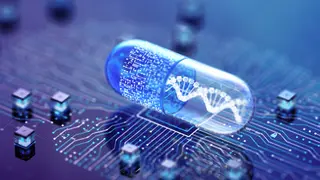
Researchers have created a programmable DNA computer that executes arithmetic operations inside a water droplet. The system operates without the continuous energy input that earlier DNA-based devices required. This advance could pave the way for biocompatible computing applications.
The new processor represents a shift in how DNA-based computation is powered. Earlier DNA computers typically required a continuous supply of energy or chemical fuel to drive their reactions, which limited their practicality outside laboratory settings. By performing arithmetic operations within a water droplet and operating without steady power input, this system removes a significant barrier to real-world deployment of molecular-scale computing.
DNA computing has long been explored as an alternative to silicon-based electronics for specialized tasks, since DNA molecules can store and process information at the molecular scale. This advance brings such systems closer to applications where traditional electronics are impractical, such as inside living organisms or in portable diagnostic tools, though the technology remains at an early research stage.
This development could eventually enable computing systems that function inside the human body or in environments where conventional electronics fail. Medical diagnostics and targeted drug delivery are plausible early beneficiaries, as a biocompatible processor might perform calculations at the site of need. However, practical deployment remains distant, and questions of reliability, speed, and scalability will determine whether this approach moves beyond the laboratory. Researchers and healthcare developers may find this a promising direction, but widespread societal impact depends on further refinement.