Earth's Life-Support Systems: Seven of Nine Planetary Boundaries Breached
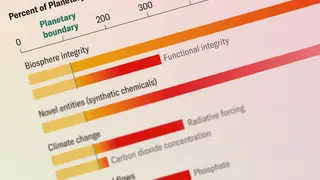
The annual Planetary Health Check from the Potsdam Institute reports that seven of nine planetary boundaries are at their worst recorded levels, including ocean acidification and climate change. Human activities such as fossil fuel burning and excessive fertilizer use have pushed Earth beyond safe operating limits. Scientists warn that the risk of large-scale, irreversible changes is growing while the margin for error shrinks.
The Planetary Health Check compares current conditions to preindustrial baselines, using nine measurable boundaries that define a safe operating space for humanity. This year’s report marks the first time ocean acidification has joined the breached list, alongside climate indicators like carbon dioxide at 426 ppm—well above the 350 ppm many scientists view as safe. The authors stress that crossing a boundary does not guarantee immediate catastrophe, but it raises the odds of large-scale, irreversible shifts, similar to how high blood pressure increases heart attack risk. Each breached boundary pushes the planet further from the stable environment that humans and other species have adapted to over millennia.
This report could reshape public and policy discussions by framing environmental degradation as a systemic health crisis rather than isolated issues. Governments, industries, and communities may face growing pressure to accelerate emissions cuts and fertilizer management, while insurers and planners could factor rising irreversibility into risk models. The shrinking margin for error may heighten urgency for adaptation, though the exact timing and severity of consequences remain uncertain.