AI boom inflates DRAM value per square millimeter beyond leading-edge compute silicon costs
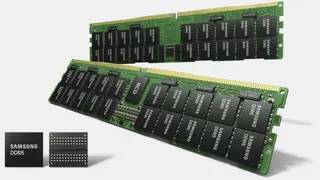
AI-driven demand has pushed DRAM prices to record highs, making the value of memory per square millimeter exceed the cost of processing leading-edge compute wafers at TSMC. An analyst's comparison shows DRAM die value at $0.654/mm² for 1b DRAM versus $0.424/mm² for TSMC's N2, though the figures are nominal and don't account for yield or defects. The trend reflects the soaring cost of memory in AI systems.
The comparison hinges on contrasting revenue potential rather than production cost. While TSMC's N2 wafer price of roughly $30,000 represents a foundry fee, the DRAM figure reflects what a memory maker could theoretically earn from selling the bits contained in each square millimeter of silicon. At the current DDR5 eTT spot price of $1.55 per gigabit, 1b-generation DRAM would yield approximately $0.676 per square millimeter, slightly exceeding the analyst's estimate.
Several factors complicate the direct comparison. The calculations exclude packaging expenses, which tend to be higher for advanced logic chips, and TSMC's actual wafer pricing varies based on customer volume and negotiated terms. Additionally, neither figure accounts for yield losses, defective dies, or unusable wafer edges, meaning the numbers represent nominal area values rather than true manufacturing economics.
This pricing shift could ripple through the broader technology economy. AI infrastructure builders may face rising memory costs that squeeze profit margins, potentially slowing deployment of new systems or pushing costs onto cloud customers. Consumers could eventually see higher prices for electronics as memory makers prioritize lucrative AI contracts over commodity DRAM production. Conversely, memory manufacturers stand to benefit significantly, which may spur new fab investment and eventually increase supply. The trend also highlights how AI demand is reshaping the economics of the entire semiconductor industry, not just compute silicon.