Sicilian Arbëreshë farming community faces an uncertain future as drought and wildfires intensify
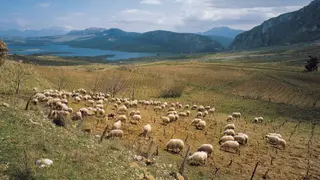
The Arbëreshë people of Piana degli Albanesi, who have farmed the Sicilian highlands for five centuries, are seeing their way of life eroded by rising temperatures, prolonged drought, and repeated wildfires. One local farmer lost several acres and nearly two dozen sheep in a blaze, and many residents are weighing whether to abandon their ancestral land. The region is warming faster than the global average, making extreme fire seasons more frequent and severe.
The community's agricultural identity spans five centuries, rooted in wheat cultivation, livestock, and ricotta production tied to Sicilian cannoli. Piana's microclimate has grown harsher, with decade-average summer temperatures near 85°F and minimal rainfall. The lake that once served as Sicily's largest reservoir nearly vanished in 2024.
Since 2015, the town has lost roughly 17 percent of its population—three times Sicily's overall decline—as repeated fires and drought erode the farming economy that anchors Arbëreshë cultural survival. Each blaze displaces residents and damages homes, pushing families toward relocation decisions that threaten the community's continuity.
This story may signal broader consequences for Europe's ethnic minority communities tied to traditional agriculture. As extreme weather intensifies, younger generations could face painful choices between heritage and safety, potentially accelerating cultural erosion across the Mediterranean. The loss of such communities may diminish regional food traditions and local knowledge, while population decline could strain municipal services and social cohesion in vulnerable rural areas.