Midwest Wildfires Signal Growing Climate Threat
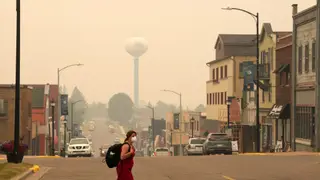
A summer of fires in Minnesota's boreal forest burned 64,000 acres, with lightning ignitions after a flash drought and warm temperatures. Scientists say human-caused warming is increasing extreme conditions that make such fires more frequent and larger. The fires also burned extensive areas in Canada, indicating a broader trend.
The July storm delivered roughly 700 lightning strikes to a parched boreal landscape where rain evaporated before reaching the ground. Balsam fir, spruce, and pine—among the most combustible vegetation types—fueled flames that consumed 64,000 acres over two months, with some fires still smoldering. Canada's boreal region lost 730,000 acres in what locals called a "300-mile wall of fire."
Scientists point to hydroclimate whiplash: stronger storms spur rapid plant growth, then sudden droughts dry that vegetation into fuel. Warmer air holds more moisture, strengthening storms and increasing lightning. Tree ring records show Indigenous communities historically managed these forests with controlled burns before colonization, a practice that may have reduced catastrophic fire potential.
The shift of wildfire risk into Midwestern forests could affect millions of residents unaccustomed to smoke-filled summers. Communities near boreal zones may face evacuation orders, property damage, and health impacts from prolonged air pollution. Firefighting agencies in states like Minnesota, Wisconsin, and Michigan may need expanded resources and training. Insurance costs could rise for homeowners in previously low-risk areas, while forest-dependent industries—timber, recreation, tourism—may experience disruption. The trend also raises questions about forest management practices and whether prescribed burns can mitigate future risks.