Rural Voters' Economic Anxiety Centers on Healthcare Expenses, New Survey Indicates
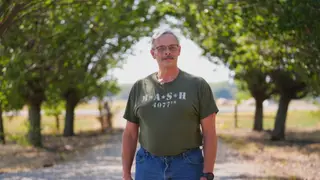
A KFF-AP poll shows rural voters prioritize cost of living and healthcare costs when evaluating midterm candidates. In Georgia's most conservative district, the expiration of enhanced Affordable Care Act subsidies has led to higher premiums or lost coverage for thousands, yet political loyalties remain firm. The economic strain has not yet produced a measurable shift in voting intentions.
The KFF-AP poll found that rural voters rank cost of living and healthcare expenses as top concerns when assessing midterm candidates. In Georgia's most conservative congressional district, the lapse of enhanced Affordable Care Act subsidies has resulted in thousands of residents facing higher premiums or losing coverage entirely.
Despite this financial pressure, the district's political alignment has remained stable, with no significant shift in voter intentions recorded. The disconnect between economic strain and political behavior highlights the complexity of healthcare as a voting issue in deeply partisan areas.
The persistence of political loyalty despite economic hardship could signal that healthcare costs alone may not drive electoral change in deeply partisan districts. However, if premiums continue to rise and coverage losses expand, the cumulative strain could eventually erode voter confidence in incumbents. Rural communities, already facing limited healthcare access, may feel the effects most acutely. The survey's findings suggest that while healthcare remains a salient concern, its translation into voting behavior may depend on broader economic conditions and the availability of alternative political options.