Danish Data: Blood Clot Risk From Menopause Hormones Depends on Form and Dose
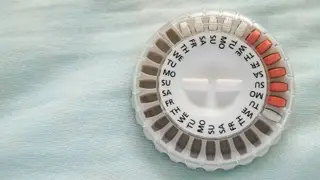
A nationwide Danish study found that oral menopausal hormone therapy raises the risk of venous thromboembolism across all doses and durations, with an annual absolute risk increase of about 0.09%. Stroke and heart attack risks were elevated only with high-dose oral estradiol (over 1 mg daily) used for more than a year, while low-dose oral therapy showed no such increases. Transdermal therapy appeared safer overall, with only a higher heart attack risk seen for combined cyclic use, prompting researchers to urge nuanced counseling rather than labeling the treatment simply safe or unsafe.
The Danish nationwide study tracked women using oral and transdermal hormone therapies, finding that oral estrogen carried a consistent venous thromboembolism risk regardless of dose or duration. High-dose oral estradiol exceeding 1 mg daily for over a year was the only regimen linked to elevated stroke and heart attack risks, while low-dose oral therapy showed no such increases. Transdermal patches appeared largely protective, with only combined cyclic therapy showing a heart attack risk increase. The researchers emphasized that risk profiles vary substantially based on formulation, delivery method, dosage, and treatment length.
The findings arrive after the FDA removed boxed warnings about cardiovascular disease, breast cancer, and dementia from menopausal hormone therapy earlier this year. The study's authors advocate for balanced counseling that acknowledges both established risks and remaining uncertainties, rather than categorizing treatment as wholly safe or dangerous.
This study could reshape how clinicians counsel millions of women navigating menopause symptoms, offering more precise risk stratification than blanket warnings. Women weighing treatment options may benefit from knowing that transdermal forms and low-dose oral regimens carry fewer thrombotic risks, potentially improving quality of life for those who previously avoided therapy. However, the elevated heart attack risk with combined cyclic transdermal use underscores that no approach is entirely risk-free, and individualized decision-making remains essential.