Senate Democrats push for stricter AI chip limits during Xi's visit
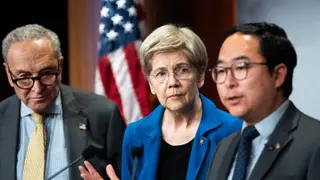
Senate Democrats are using Chinese President Xi Jinping's state visit to pressure Republicans to pass export control legislation that would restrict Beijing's access to advanced AI chips. The bills have bipartisan support but are stalled within the annual defense authorization measure, prompting Democrats to call on President Trump to act unilaterally. They accuse Trump of weakening U.S. national security by loosening controls and allowing companies like Nvidia to sell certain chips to China.
The legislative push is currently blocked because the annual defense authorization bill is delayed until after the upcoming elections. Democrats argue that President Trump possesses the executive authority to impose new restrictions immediately, without waiting for Congress. The bipartisan support for the measures contrasts with the political gridlock holding them up.
The administration has attempted a delicate balance, permitting sales of older H200 chips while trying to halt transshipment of advanced B200 processors. Nvidia reports minimal revenue from China, yet the White House defends its record as stricter than the Biden era. Industry groups are closely monitoring the outcome, though some are notably absent from the debate.
The outcome of this debate could reshape the global AI landscape. Stricter export limits may slow China's military and commercial AI advancements, but could also reduce revenue for U.S. chipmakers and push China toward domestic innovation. Conversely, looser controls might accelerate China's capabilities, potentially affecting U.S. technological superiority. The decision may influence international alliances, as allies weigh their own export policies, and could impact jobs and investment in the semiconductor sector.