Roman Silver and Gold Ring Discovered at Ancient Farmstead on Gotland
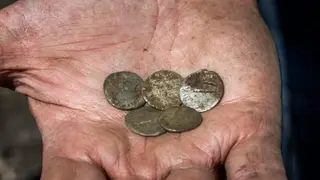
A hoard containing 45 Roman silver coins and a gold ring was found at an ancient farm site on Sweden's Gotland island. The discovery occurred during surveys tied to the expansion of the Gotland Regiment near Tofta. The site had already yielded remains of four buildings from earlier periods.
The find emerged during archaeological surveys conducted ahead of military infrastructure work near Tofta, where the Gotland Regiment is expanding. Alongside the hoard—45 Roman silver coins and a gold ring—the site has previously revealed remains of four buildings from earlier periods, suggesting a long-occupied farmstead. The presence of Roman silver on Gotland, a Baltic island, reflects far-reaching trade networks during the Roman Iron Age. Such hoards are relatively common on the island, but each discovery adds nuance to understanding regional wealth, exchange, and settlement patterns. The gold ring, a rare personal item, hints at the status of the farm's inhabitants.
This discovery could reshape local understanding of Roman-era connectivity in Scandinavia, potentially influencing museum displays and academic research priorities. It may also draw public interest to Gotland's archaeological heritage, boosting heritage tourism and educational outreach. For military and development projects, such finds underscore the need for careful pre-construction surveys, balancing infrastructure needs with preservation. The hoard's eventual analysis might offer insights into trade routes and social hierarchies, though its broader societal impact will depend on how researchers and institutions interpret and share the findings.