FDA Panel Endorses Multicancer Blood Test Despite Outcome Data Gaps
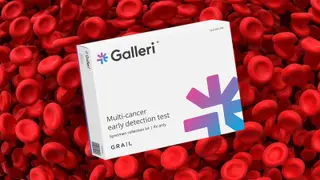
An FDA advisory committee voted 6-4 and 7-2 that the Galleri blood test is effective and its benefits outweigh risks, though many yes voters had reservations. The panel unanimously endorsed its safety. Concerns centered on missing outcome data and the test's 'early' detection claim.
The Galleri test identifies cancer-related methylation patterns in DNA fragments circulating in blood. Trial results showed sensitivity around 31-35% with specificity exceeding 99.7%, meaning it missed a substantial portion of cancers but rarely produced false positives. The test performed strongest for malignancies lacking established screening methods, including thyroid and ovarian cancers.
The NHS-Galleri study failed its primary endpoint of reducing late-stage cancer diagnoses across twelve tumor types, though it did detect more early-stage cases. Panelists voting yes often cited the high positive predictive value and the ability to screen previously unscreenable cancers, while dissenters emphasized the absence of long-term outcome evidence demonstrating mortality benefit.
If approved, this test could substantially alter cancer screening practices, offering patients a single blood draw that screens for multiple malignancies simultaneously. Clinicians may gain a tool for detecting cancers that currently evade routine screening, potentially enabling earlier intervention. However, the incomplete outcome data means the true mortality benefit remains uncertain, and positive results without clear follow-up protocols could create anxiety and additional testing burdens. Payers and healthcare systems may face difficult coverage decisions while awaiting more definitive evidence of long-term clinical value.