UK Government Tightens Lebanon Travel Guidance for Tourists
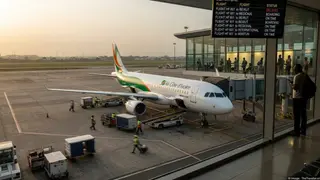
The UK Foreign Office has reiterated a 'do not travel' advisory for parts of Lebanon, including areas near the Syrian and Israeli borders. The guidance also restricts leisure travel to other regions, citing volatile security and potential for sudden route closures. Travel insurance and booking conditions may be affected for those who proceed against the warning.
The advisory divides Lebanon into distinct risk zones, with the most severe "do not travel" designation applying to border areas adjacent to Syria and Israel, while the rest of the country carries an "all but essential travel" restriction. Officials have stressed that armed clashes and sudden route closures remain realistic possibilities, meaning even transit through Beirut could disrupt wider Middle East itineraries.
Lebanon's tourism sector was already struggling before this latest warning, having been hit by economic crisis and the 2020 Beirut port explosion. The country's appeal once centred on cosmopolitan city breaks, Roman heritage sites and mountain retreats, but the renewed guidance means package operators will likely reroute or cancel organised trips, while independent travellers face difficult insurance and booking decisions.
This advisory could significantly affect British travellers who had booked late-season Mediterranean getaways, forcing difficult financial choices between losing deposits or proceeding uninsured. It may also influence how other Western governments frame their own travel guidance, potentially accelerating a broader decline in Lebanon's tourism economy. Insurers and tour operators could face increased pressure to clarify policy terms, while travellers may become more cautious about destinations with volatile security profiles, reshaping booking behaviour across the eastern Mediterranean region.