India's Top Diplomat Heads to UNGA to Challenge U.S. Oil Tariffs
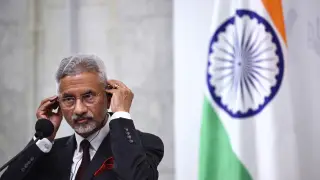
Indian External Affairs Minister S. Jaishankar is leading India's delegation to the UN General Assembly for the second year in a row. He aims to push back against new U.S. tariffs on countries purchasing Russian oil. The visit comes as India seeks to advance its foreign policy interests on the global stage.
India's economy has shown resilience against earlier U.S. tariff measures, with new trade agreements with the European Union and the United Kingdom, plus expanded commercial engagement with China, helping offset potential losses. The country also reduced its Russian oil imports over the past year, a factor that may strengthen its negotiating position in Washington.
Beyond the tariff dispute, Jaishankar's UNGA agenda includes strengthening ties with global south nations, a priority for the Modi government. India's recent BRICS summit produced a unified declaration despite internal divisions, and its cautious rapprochement with China continues. Pakistan's growing Middle East presence also remains a concern for New Delhi.
The tariff dispute could affect Indian consumers and businesses if higher U.S. duties raise export costs, potentially slowing economic growth. India's balancing act between Russian energy purchases and Western alliances may shape public perception of the government's foreign policy. A resolution could ease trade tensions, while failure might push India closer to alternative partners, influencing regional dynamics across South Asia.