India now runs five chip plants as part of $200 billion market push
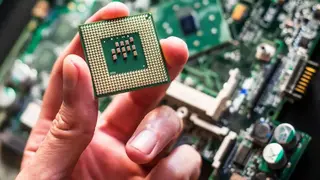
India has five operational semiconductor units, with two new production lines inaugurated at SEMICON India 2026. An EY-IESA report projects India's semiconductor market will grow from about $64 billion in 2026 to $200 billion by 2035. The government's Semicon 2.0 policy expands focus to design, equipment, and materials beyond earlier fab and packaging efforts.
The newly inaugurated lines at CDIL Semiconductor in Mohali and Suchi Semicon in Surat join three previously established units, bringing India's operational total to five. These facilities focus on assembly, testing, marking, and packaging (ATMP), a segment that represents the initial phase of the country's manufacturing strategy. The Semicon 2.0 policy, with a ₹1.275 lakh crore outlay, broadens government support to include design, equipment, and materials, moving beyond the first phase's emphasis on fabrication and packaging.
The EY-IESA report highlights significant market growth from $27 billion in 2021 to a projected $200 billion by 2035, driven by consumer electronics, automotive, and industrial sectors. The recent SEMICON India event reported 54 MoUs, over 600 exhibitors, and roughly $7 billion in investment commitments, with government estimates suggesting nearly one lakh new jobs across the ecosystem.
India's expanding semiconductor capacity could gradually reduce its reliance on imported chips, potentially strengthening supply chain resilience for global electronics manufacturers. This development may create substantial employment for engineers and technicians, while the push for domestic design and manufacturing could foster a skilled workforce over time. However, the sector's success depends on sustained investment and global market conditions, meaning the projected economic benefits for local communities and industries will likely materialize only if these initiatives achieve global competitiveness.