Debating Federal Oversight for Artificial Intelligence
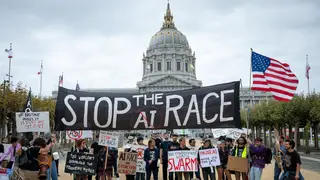
The article examines whether the U.S. government should regulate AI, given public concern about catastrophic risks. It questions if existing liability laws are sufficient and whether the government has the expertise to oversee the industry. Trump opposes new restrictions, but momentum for regulation is building.
The debate over AI regulation has created an unusual split within the tech industry itself. While OpenAI and Anthropic executives have publicly urged the government to establish oversight, Nvidia CEO Jensen Huang and Meta's Mark Zuckerberg have argued that existing market incentives are sufficient, suggesting companies should simply refrain from releasing unsafe products. This internal disagreement highlights the industry's uncertainty about how to handle rapidly advancing technology.
Legal scholars are examining whether traditional liability frameworks like negligence and product liability could apply to AI systems. A key complication is that AI algorithms are non-deterministic—the same inputs may produce different outputs—which challenges conventional legal assumptions about foreseeability and responsibility. Proponents argue that releasing such unpredictable technology with potentially severe consequences could itself constitute negligence.
This regulatory debate could shape how Americans interact with AI in daily life, from workplace tools to healthcare and finance. If liability standards are strengthened, companies may become more cautious about deploying AI broadly, potentially slowing innovation but increasing public safety. Conversely, minimal oversight could accelerate AI adoption while leaving consumers and workers exposed to harms that existing laws may not adequately address. The outcome may influence public trust in both government institutions and the technology sector.