Maritime Rescue Duty Under Fire From Populist Movements
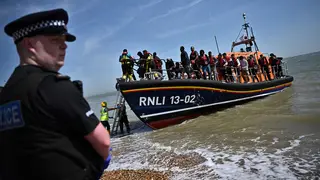
The article highlights attacks on British lifeboat volunteers who rescue migrants, and U.S. military strikes on drug boats, both undermining the long-standing obligation to save lives at sea. It traces the legal duty back to the 1910 Brussels Convention. The author argues that abandoning this principle threatens international maritime norms.
The RNLI’s rescue work now draws hostility from Britons angered by illegal migration, while U.S. military strikes on drug boats in the Caribbean and Pacific disregard the same duty. The 1910 Brussels Convention first formalized the obligation, though it focused on vessels and left conditions vague.
The Titanic’s sinking in 1912, and the Carpathia’s 58-mile dash that saved 705 people, galvanized nations to negotiate a treaty establishing a clear duty to rescue individuals at sea. The author’s own great-great aunt perished in third class, underscoring the human stakes.
The erosion of the rescue obligation could undermine a cornerstone of maritime law, affecting not only migrants but any seafarer in peril. Populist pressure may discourage volunteers and military personnel from acting, potentially leading to preventable deaths. This could also fracture international cooperation on maritime safety, as nations prioritize border enforcement over humanitarian duties. However, the long-standing legal framework may prove resilient, though public trust in rescue institutions could suffer.