Massive Etruscan burial mound at Vulci yields rich trove of artifacts
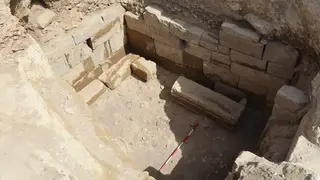
A monumental 2,700-year-old tomb at the ancient Etruscan town of Vulci, north of Rome, has been excavated despite centuries of looting attempts. The burial, nicknamed the Tomb of the Stone Chamber, contained weapons, gold and bronze plates, chariot parts, rare women's shoes, and a complete banquet set. Archaeologists consider it a tomb of the highest rank, confirming the site's significance.
The tomb's discovery follows a 19th-century survey by Stéphane Gsell, who mapped the mound's perimeter but never located the burial itself. The Return to Vulci project's excavation this summer finally reached the chamber, which had remained hidden despite centuries of looting attempts.
Artifacts include a Rhodian bronze tripod, suggesting trade connections with the Greek world. The Etruscan civilization dominated central Italy before declining in the fourth century B.C. as Rome rose, and their partially understood language continues to challenge researchers.
This discovery may reshape understanding of Etruscan elite burial practices and trade networks, offering scholars rare intact evidence from a period often disrupted by looting. The finds could also draw renewed public interest in Etruscan heritage, potentially boosting archaeological funding and tourism at Vulci. For historians, the tomb's intact banquet set and imported goods may illuminate cultural exchanges between Etruria and the wider Mediterranean world.