Rich Etruscan Burial Chamber Found at Vulci's Polledrara Necropolis
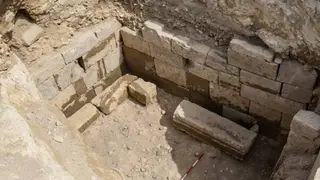
A monumental tomb dating to the late seventh century BCE was uncovered during the 2026 excavation at the Etruscan city of Vulci in Italy. The team also identified the circular enclosure of Tumulo Gsell, previously known from earlier research. The burial contained rare treasures, though details remain limited.
The late seventh-century BCE tomb uncovered at Vulci’s Polledrara Necropolis represents a significant addition to knowledge of Etruscan funerary architecture. Its monumental scale suggests a high-status individual or family, consistent with Vulci’s prominence as a major Etruscan city during this period. The concurrent identification of Tumulo Gsell’s circular enclosure links the new find to a previously documented feature, helping archaeologists refine the necropolis’s layout.
The presence of rare treasures within the burial, though details remain undisclosed, points to the wealth and elaborate burial customs of Etruscan elites. Excavations at Vulci have historically yielded rich material culture, and this discovery adds another layer to understanding the city’s social and political complexity in the centuries before Roman expansion.
This discovery may deepen public and scholarly understanding of Etruscan society, particularly its elite burial practices and trade networks. The rare treasures could attract museum interest and tourism, potentially benefiting local heritage economies. For archaeologists, the tomb and Tumulo Gsell’s enclosure may refine chronological frameworks for the necropolis. However, the limited public details mean broader impact depends on future publication and conservation efforts.