Xi's Washington visit signals potential thaw in US-China relations
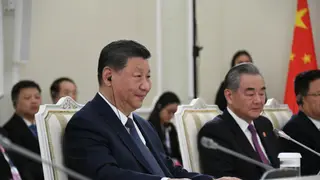
During a state visit to Washington, Chinese President Xi Jinping said the two countries have complementary ambitions and should act as responsible major powers. He referenced historical cooperation against Japan and stressed the need for new forms of collaboration. The summit also saw an extension of the bilateral trade truce, which markets interpreted positively.
Xi's state visit to Washington included a White House summit covering trade, technology, and defense discussions. The Chinese president referenced the two nations' historical alliance against Japanese aggression more than eight decades ago, framing it as a foundation for renewed partnership. Following the talks, both sides extended the existing bilateral trade truce, a move that markets received favorably.
Prediction markets tracked the summit's atmosphere through unconventional metrics, including the duration of the Trump-Xi handshake. Contract pricing showed shifting odds across multiple October 2026 expiry dates, with some contracts gaining and others declining in the hours after the meeting. Trading volumes ranged from $3,000 to $12,000 across these markets, reflecting active speculation on diplomatic outcomes.
This summit could signal a more stable phase in US-China economic relations, potentially affecting global supply chains, technology investment flows, and consumer prices. Businesses operating across both markets may gain clearer regulatory expectations, while investors could adjust portfolios based on perceived geopolitical risk. The trade truce extension may provide short-term relief to industries dependent on cross-border commerce, though lasting impact depends on whether rhetoric translates into concrete agreements.