US and China Hold First AI Dialogue, Propose Incident Notification Mechanism
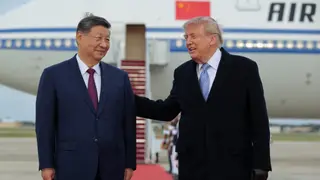
The United States and China have held their first formal dialogue on artificial intelligence, with the U.S. proposing a mechanism to notify each other of national security-related AI incidents. This occurs even as President Trump publicly rejects global AI governance. Chinese President Xi Jinping stressed the need to keep AI under human control.
The formal dialogue, initiated after Bessent met He Lifeng in New York, marks a rare operational channel. While Trump publicly dismissed global governance, his administration's private proposal for an incident-notification system mirrors calls from Anthropic and OpenAI CEOs at the UN Security Council, who urged shared verification and reporting. This divergence highlights a pragmatic split between public rhetoric and diplomatic necessity.
Beijing is also cultivating its own AI safety bloc. The World Artificial Intelligence Cooperation Organization, launched in July with 29 mostly developing nations, positions China as a counterweight to American dominance. Pakistan's warning against safety measures becoming tech denial targets US chip export controls, a key Xi priority. Hugging Face's CEO credited an open-source Chinese model for defending against attacks, underscoring open models' practical value.
The proposed notification mechanism could reduce the risk of accidental AI-related escalation between the world's two largest powers, potentially protecting global stability. However, the divergence between public posturing and private diplomacy may undermine trust in international governance. Developing nations, excluded from the US-China dialogue, could face a fragmented regulatory landscape, while open-source models may offer them a counterweight to American dominance. Society may benefit from reduced catastrophic risks, but the lack of inclusive, transparent rules could leave many vulnerable to AI's unintended consequences.