Australian Stick Insect Revision Reveals Two New Species and a Restored Status
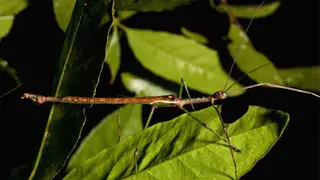
Entomologists revised the Australian Anchiale stick insects, describing two new species: Anchiale mabiensis and Anchiale robusta, and restoring Anchiale albopunctata to full species status. The new species have distinct morphological features, including unique egg lid rings in A. mabiensis. The study used morphological and mitochondrial DNA analysis to clarify relationships.
The revision combined traditional morphological examination with mitochondrial DNA sequencing of 32 specimens, allowing researchers to distinguish species that appear similar externally. Anchiale mabiensis, confined to the Mabi forest, feeds on gray sassafras and produces eggs with two to three rings on the lid—a trait never previously recorded in stick insects or any related orthopteroid group. Anchiale robusta ranges across at least 450 kilometers of Queensland coastline and employs a defensive display involving dark patterned hindwings. The restoration of Anchiale albopunctata resolves more than a century of taxonomic uncertainty, as it had been grouped with Anchiale briareus since the early 1900s.
This research may influence conservation planning in Queensland's threatened rainforest habitats, particularly the Mabi forest where Anchiale mabiensis appears endemic. Recognizing distinct species could help land managers prioritize habitat protections and refine biodiversity assessments. The finding that even frequently photographed insects remain scientifically unrecognized may also encourage broader public participation in documenting Australia's fauna, potentially shaping future survey efforts and awareness of insect conservation needs.