Genetic analysis reveals a fourth gentoo penguin species on remote islands
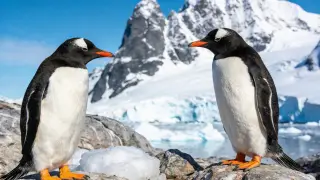
An international team identified a previously unrecognized gentoo penguin species on the Kerguelen Islands using DNA evidence. The study shows that gentoo penguins comprise four distinct species, not one. The discovery also warns that warming oceans may reduce suitable habitat for several island populations by 2050.
The Kerguelen Islands sit nearly 2,000 miles from any permanently inhabited land, which helps explain how this gentoo population escaped scientific notice. Researchers used DNA evidence to distinguish four separate species where one was previously assumed, with the newly named Pygoscelis kerguelensis being a cryptic species — genetically distinct but visually similar to relatives. Three former subspecies were also elevated to full species status.
Climate projections indicate that warming oceans may reduce suitable habitat for several island populations by 2050. The southern gentoo, Pygoscelis ellsworthi, which inhabits Antarctica itself, appears less vulnerable and could potentially expand its range. The researchers emphasize that conservation institutions across the multiple countries governing sub-Antarctic territories must recognize and act to protect the three threatened species.
This discovery could reshape conservation priorities across the sub-Antarctic region, where multiple nations hold jurisdiction over scattered islands. If warming oceans shrink suitable habitat by 2050, as projections suggest, three of the four gentoo species may face heightened extinction risk. The finding may also prompt re-examination of other "cryptic" populations worldwide, potentially revealing more hidden biodiversity that requires protection. Scientists and policymakers may need to coordinate international conservation efforts, though the timeline for meaningful action remains uncertain.